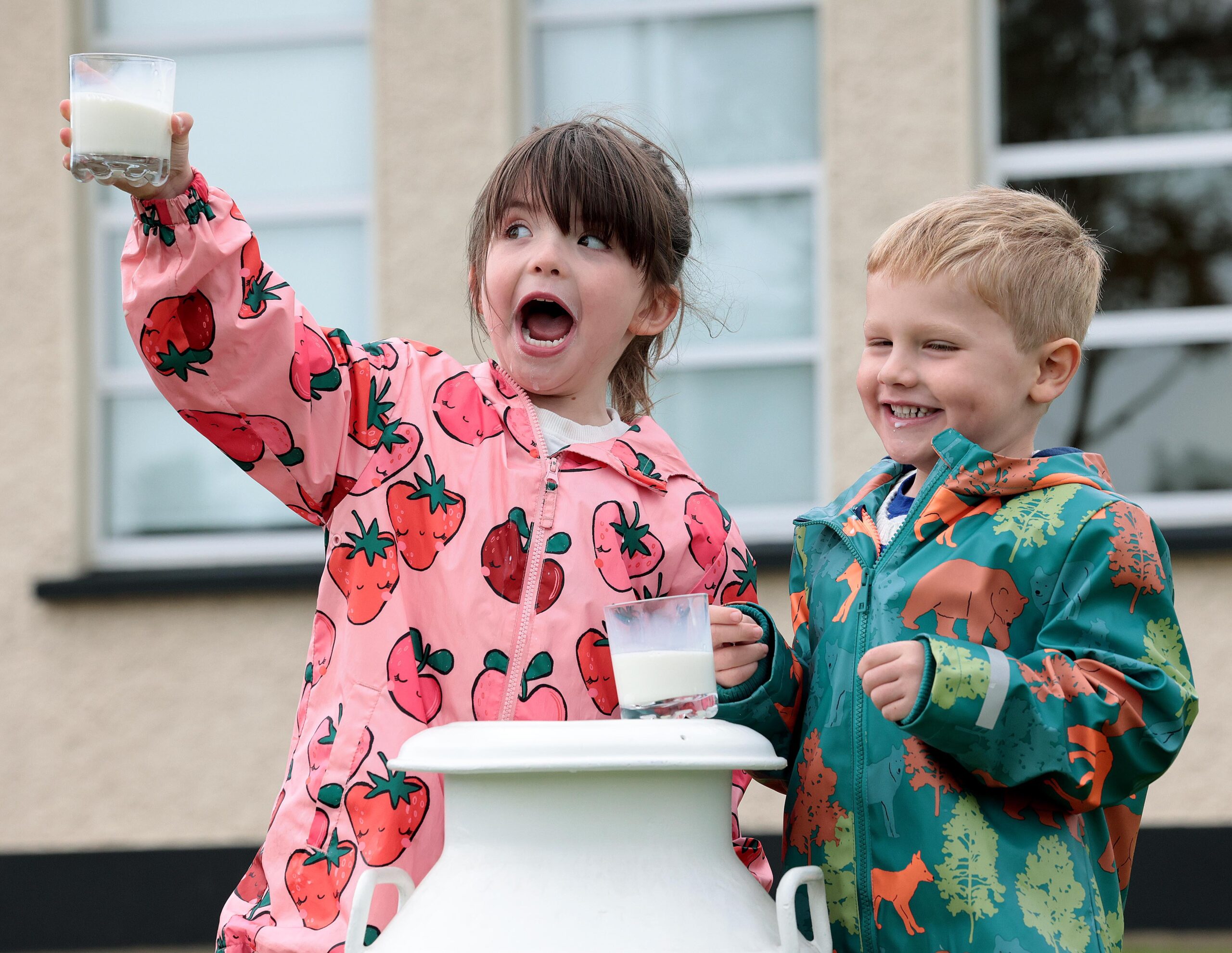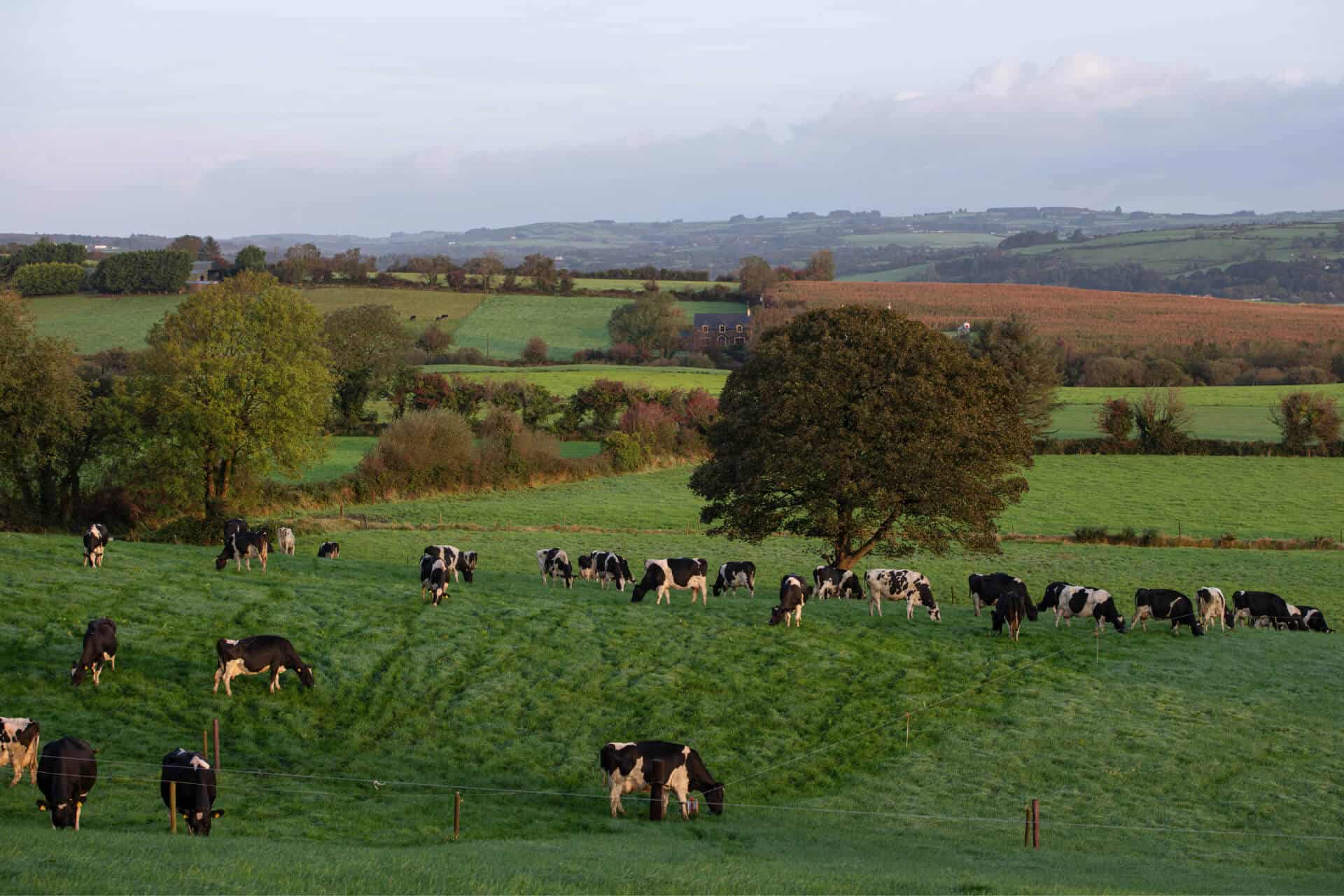


Thursday, 14 May 2026, Dublin: More than half (56%) of parents with children under 12 in Ireland say their child has never seen a cow being milked, according to new research commissioned by the National Dairy Council (NDC), highlighting how disconnected many children have become from food production and farming.
Across the country, just 39% of parents with children under 12 say their child has had that experience and 5% didn’t know. 57% of urban parents say their child has not seen a cow being milked, com pared with 51% of rural parents. Regional breakdowns show that parents in Munster are the most likely to say their child has seen a cow being milked (44%), compared with 39% in Dublin, 38% in Leinster and 30% in Connacht/Ulster.
The research indicates a marked trend in a generational gap: 72% of adults say they have seen a cow being milked, but that falls to 66% among 18-34-year-olds and 69% among urban adults, compared with 80% of rural adults.
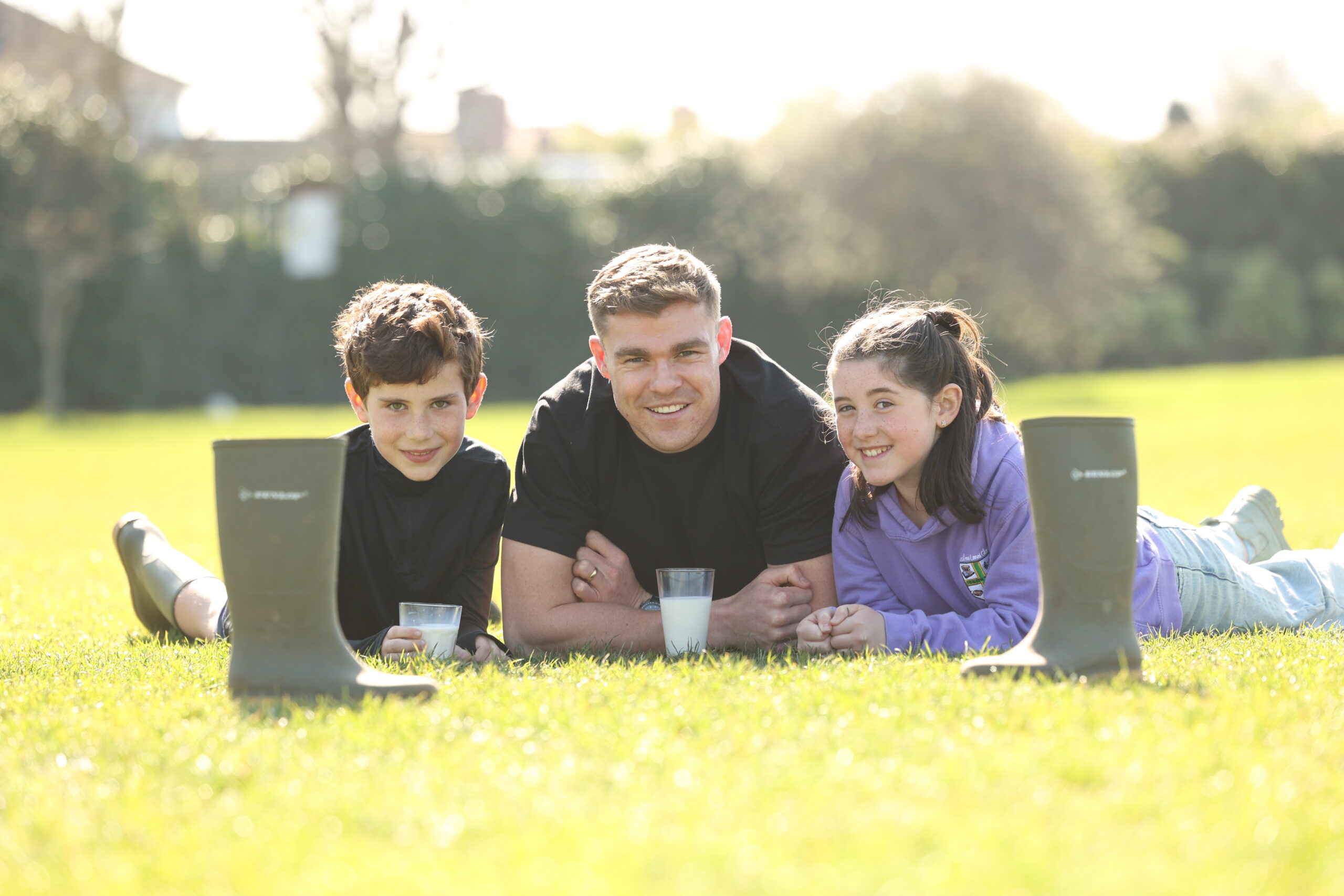
To address this issue of lack of awareness amongst school children and to reconnect this cohort of our population with farming and food production, the National Dairy Council will organise a series of school farm visits across Ireland this month with 1500 children, 25 schools and 5 farms due to participate in total. This initiative follows a successful pilot programme in 2025, which was undertaken to help bridge this widening knowledge gap. The initiative is part of the wider EU School Milk Scheme which has operated in Ireland since 1982 and is supported through funding from the EU and the Department of Agriculture, Food and the Marine.
The school farm visits will connect children with the source of our food through hands on learning, on working dairy farms with education around animal welfare, grass management, milking, nutrition and food traceability as well as providing pupils with the opportunity to meet farmers, see first-hand how milk is produced and take part in a five station learning journey covering areas including nutrition, milk production and life on a
working farm. These fully-funded school trips are also intended showcase the EU School Milk Scheme participants and the benefits of participating in the Scheme.
Emma Walls, CEO of the National Dairy Council, said: “For many children, this will be their first real experience of a working farm and their first chance to see where milk comes from, beyond their fridge or the supermarket shelf. Food education is strongest when children can see, ask questions and make the connection for themselves between farming, nutrition and the food they consume every day.”
Commenting on the research findings, Emma Walls added: “they point to an urban-rural gap which is widening across the generations. At one time, those of us living in towns and cities were just one generation removed from the farm, but that is clearly no longer the case, due to falling numbers of farmers and our changing, multi-cultural population. Our School Farm Visits are intended to help bridge the gap by bringing together food, farming, education, and nutrition in a very practical way. Our dairy farmers are excited to open the farm gates and invite not only their own local community in, but also those further afield in towns and cities. They view it as a great opportunity to connect, and they are proud to showcase the work they are doing to produce top quality dairy in an increasingly sustainable way.”
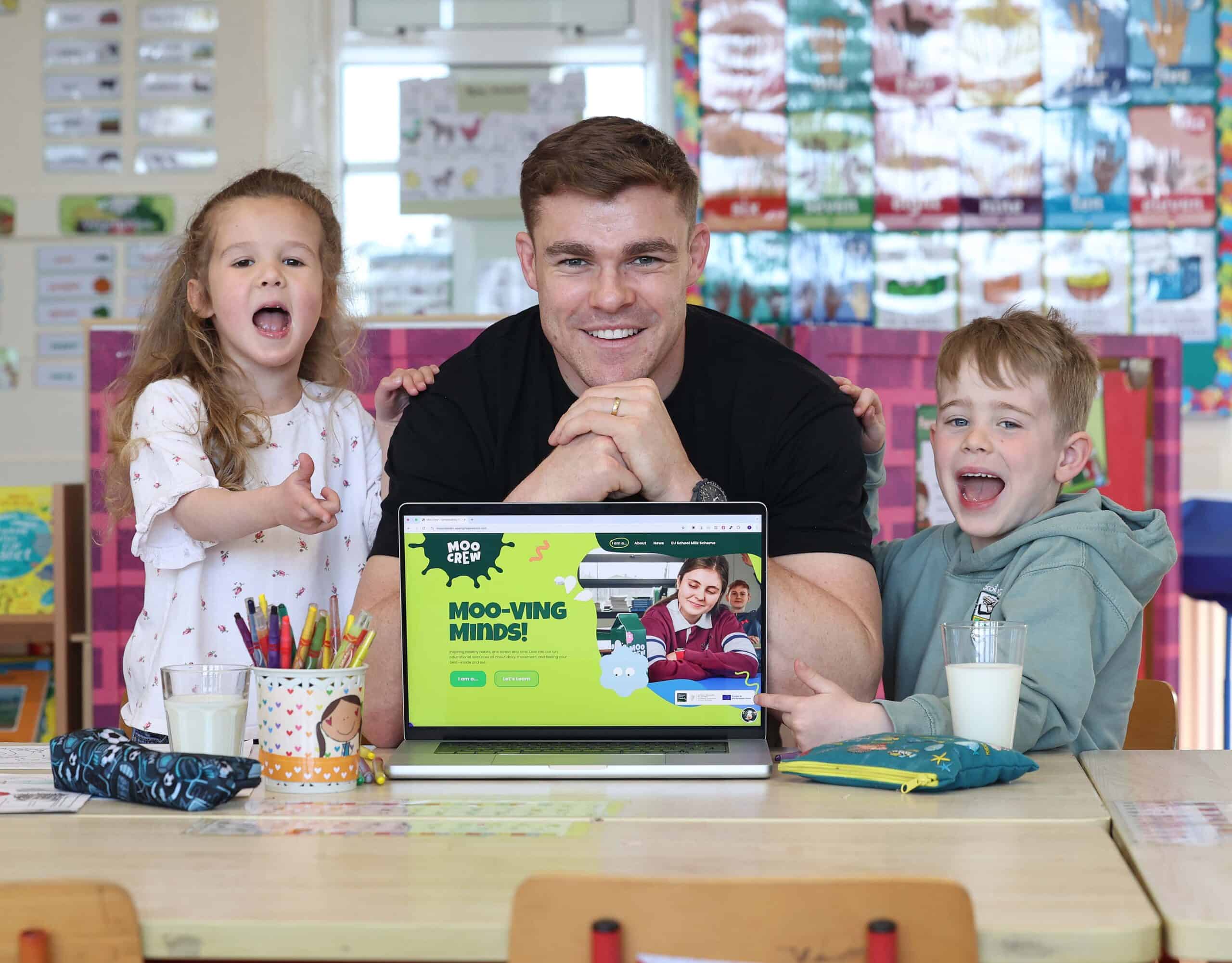
The EU School Milk Scheme provides participating schools with a daily supply of milk at discounted rates, together with educational supports that promote the nutritional value of daily dairy consumption. Through this combination of milk provision and learning activities, the Scheme is designed to help reconnect children with agriculture and encourage healthy eating habits for life.
Cliona Lowry, Teacher, Stanhope Street School, Stoneybatter, said: “When children step onto a farm, meet the farmer and see how milk is produced, the learning becomes real for them in a completely different way. It helps them understand where food comes from and opens up wider conversations in their world about nutrition, farming and everyday life that are much harder to bring to life in the classroom alone.”
“It’s the kind of experience that stays with them. The children are curious, they ask brilliant questions and they come away with a much stronger understanding of how food and farming connect. That is hugely valuable, especially for children who may have had very little direct exposure to farming before.”
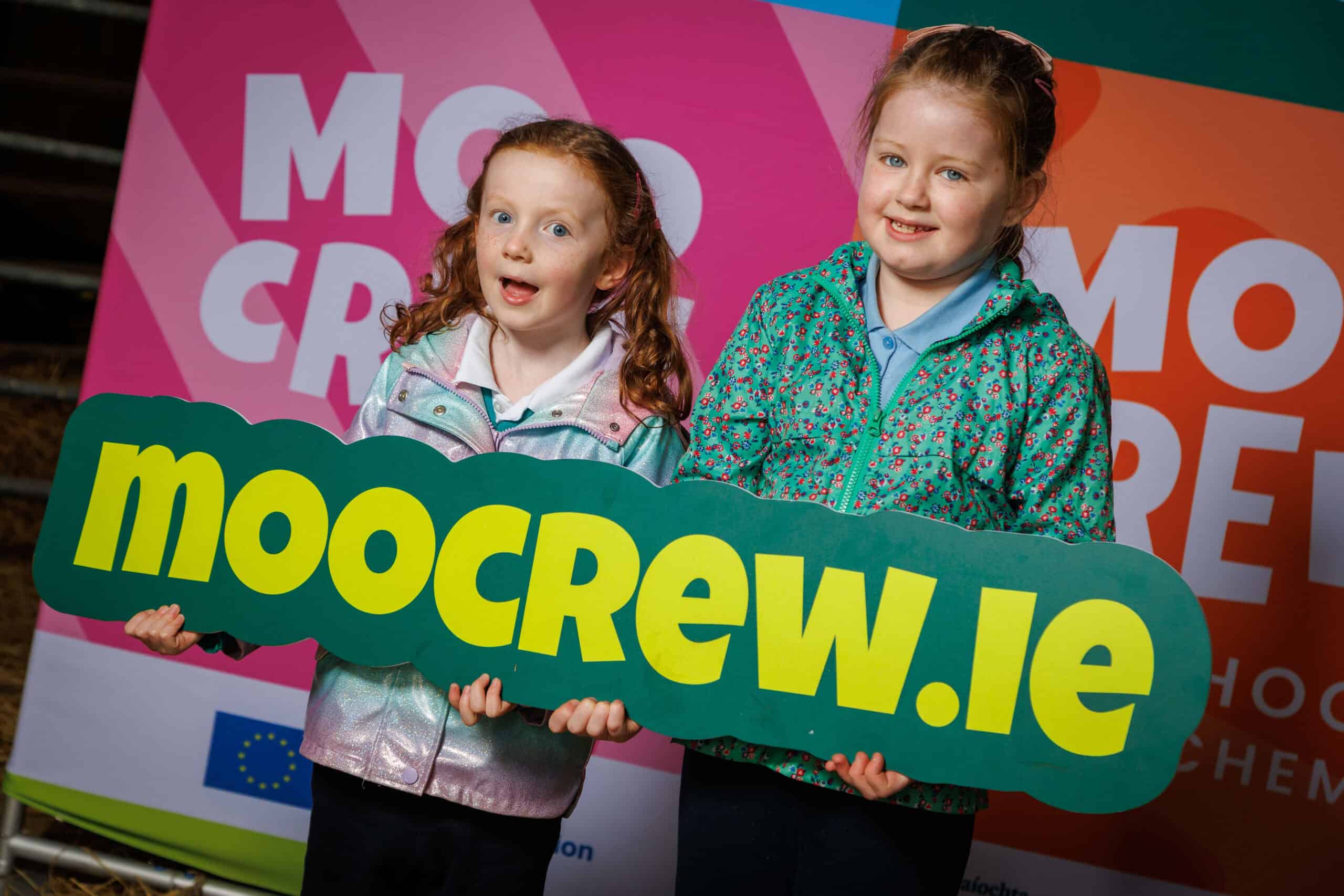
The School Milk Scheme is open to primary, secondary and Montessori schools nationwide. Schools interested in learning more or enquiring about joining can visit moocrew.ie/schoolmilk.
–ENDS–
For further information, or to arrange an interview, please contact: Alanna Henry, NDC Press Office
0874740182 | akhenry@ndc.ie
Notes to Editor
About the research
The research was conducted by Opinions Market Research, which interviewed a nationally representative sample of 1,000 adults aged 18+ online between 9 April and 16 April 2026. Urban is classified as city/urban, suburban or town.
About the NDC’s School Farm Visits
School Farm Visits 2026 will see 25 primary schools bring almost 1500 pupils to five farms across Ireland. Each of the farms supply milk into a co-operative which provides school milk under the EU School Milk Scheme and these include Aurivo, Clóna, Lee Strand and Tirlán. During the visits, children will take part in a five-station learning journey designed to connect food, farming, education and nutrition through hands-on experiences on working dairy farms. The stations will cover topics including nutrition, milk production and life on the farm, helping pupils better understand where their food comes from.
About the National Dairy Council
Established in 1964, The National Dairy Council (NDC) advocates for dairy as part of an increasingly sustainably produced food system; as a key component in a healthy balanced diet; and as a sector, indispensable to Ireland’s social and economic wellbeing.
About the EU School Milk Scheme
The EU School Milk Scheme has existed in Ireland since 1982. Since 2017, it has been operated in Ireland by the National Dairy Council under its Moo Crew educational platform, under the supervision of the Department of Agriculture, Food and the Marine. The Scheme is available to primary, secondary and Montessori schools and provides a daily supply of milk at subsidised rates, alongside educational resources which explain the nutritional value of daily dairy consumption and educate children on where their food comes from. The Scheme is co-financed by the EU and national funding via the Department of Agriculture, Food and the Marine.